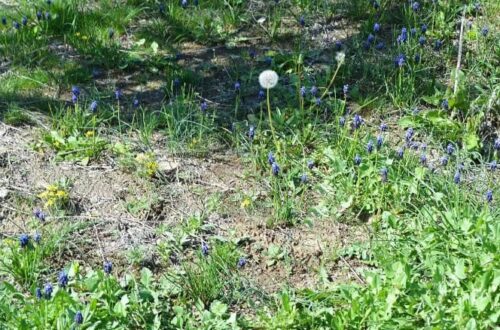
Herbicides are a modern type of agrochemical used to boost yields and secure harvests; since their introduction, they have become invaluable aids to farmers. Using chemical herbicides to control weeds in fields is a key measure for increasing production. Compared to manual weeding, chemical weeding offers several advantages: First, it is highly effective. With the right choice of herbicide and proper application, crops remain safe while weed control rates typically reach 80%–90%—a result that is both more thorough and more timely than manual weeding. Second, it boosts crop yields. Weeds compete with crops for nutrients, water, and space, while also obstructing airflow and sunlight; this stunts crop growth and reduces output. Take rice, for example: the presence of just one or two barnyard grass plants per rice clump can reduce yields by over 30%. Wheat fields can suffer yield losses of 10%–50% due to weed infestations; thus, herbicide application can lead to significant yield increases. Third, it saves labor and lowers production costs. In the past, rice fields required manual weeding three times, while wheat fields needed hoeing three to five times after sowing—often without achieving complete weed removal. This process was not only labor-intensive but also physically demanding for farmers. With the advent of herbicides, one or two applications are usually sufficient.
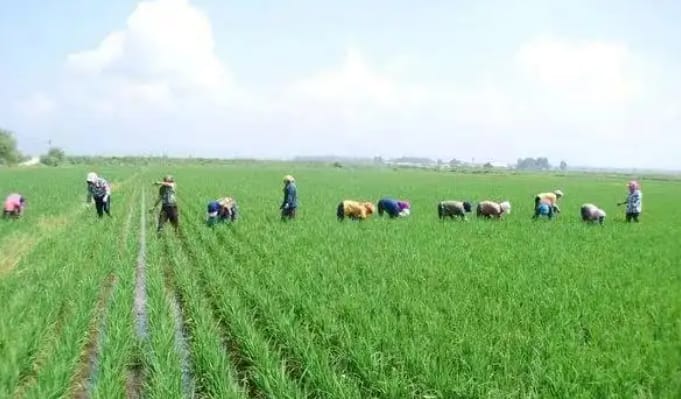
How do herbicides eliminate weeds without harming the crops?
The ability of herbicides to kill weeds while sparing crops relies on their selectivity—specifically, by exploiting the inherent physiological and morphological differences between crops and weeds. This capability represents a triumph of human ingenuity over nature. The differences utilized by herbicides include the following:
(1) Physiological differences: Different plants exhibit varying physiological responses to specific herbicides. For instance, when the herbicide propanil is applied to a rice field, rice seedlings utilize an internal enzyme to break the chemical down into non-toxic substances, thereby avoiding harm. Barnyard grass, lacking this substance, succumbs to the toxin and dies.
(2) Morphological differences: Plants differ in their physical structure; consequently, during herbicide application, the amount of chemical absorbed and the resulting level of damage vary between species. Dicotyledonous plants have large leaf surface areas, intercept more herbicide, and possess exposed growing points, making them more susceptible to herbicide injury. In contrast, monocotyledonous plants have narrow, upright leaves that intercept less herbicide; their leaves feature a protective cuticle or siliceous layer, and their growing points are enclosed by multiple layers of leaves, rendering them less prone to herbicide injury.
(3) Differences in root depth: Crop root systems generally extend deeper, whereas most weed root systems are shallow and concentrated in the topsoil. Selective weeding is achieved by utilizing herbicides that have low water solubility and poor mobility, preventing them from reaching the deeper soil layers where crop roots reside.
(4) Exploiting differences in sowing and emergence times: By utilizing herbicides that act quickly and have a short duration of activity, one can apply the chemical before sowing or transplanting to eliminate weeds first. Alternatively, applying the herbicide after sowing but before crop emergence effectively kills weeds that germinate early in the surface soil layer.
Classification of Herbicides
Herbicides are classified into four types based on their mode of action and mobility within the plant.
(1) Selective herbicides: These herbicides exhibit distinct selectivity in their effects on different plants; they may kill certain weeds while leaving others unaffected, or be safe for some crops while damaging others. For example, the herbicide Gallant (haloxyfop-P-methyl) is highly effective against grass weeds but ineffective against broad-leaved weeds, while remaining safe for broad-leaved crops.
(2) Non-selective (broad-spectrum) herbicides: Any plant—whether weed or crop—that comes into contact with this type of herbicide is killed; an example is sodium pentachlorophenate.
(3) Contact herbicides: These herbicides damage only the specific plant parts they touch; they do not move or translocate within the plant. Propanil is an example of this type.
(4) Systemic herbicides: Upon contact with the plant, these herbicides are translocated to various parts of the plant. Glyphosate, for instance, can move from the stems and leaves to the underground parts, destroying the subterranean tissues of perennial, deep-rooted weeds. Proper Use of Herbicides
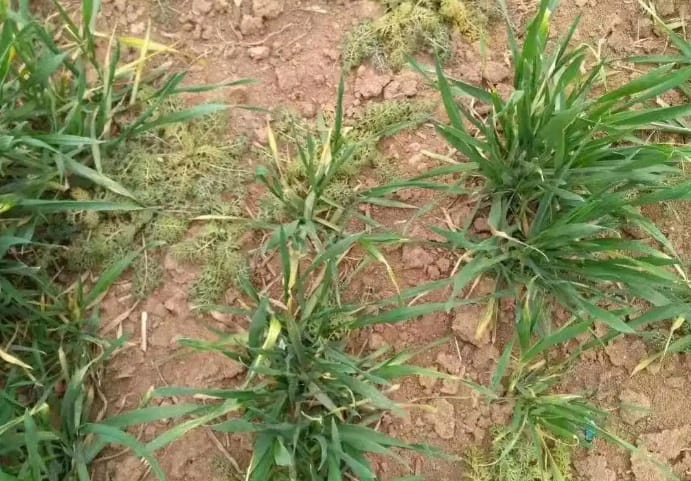
Herbicides can eliminate weeds without harming crops only under specific conditions; if conditions change or application is improper, not only will weed control be ineffective, but crop damage may also occur. To use herbicides effectively, the following points must be observed:
(1) Select the right herbicide for the specific situation: Choose the appropriate herbicide based on the crop type and the species and density of weeds in the field. Otherwise, efficacy will be poor, and crops may even be damaged. For example, using a herbicide like Haloxyfop-P-methyl (often marketed as “Gaocaoneng”) in rapeseed fields dominated by grass weeds yields excellent results, whereas its effectiveness is poor against broad-leaved weeds.
(2) Understand and manage factors affecting efficacy and potential phytotoxicity: Factors directly or indirectly influencing herbicide performance and the risk of crop damage include air temperature, rainfall, light, wind, soil properties, pH levels, and moisture. For instance, Chlortoluron is highly effective in fields with high soil moisture but performs poorly in dry fields; therefore, if used in dry fields, irrigation should be applied to increase moisture and ensure efficacy. Additionally, some herbicides are suitable only for soils with high organic matter content and may cause phytotoxicity in sandy soils. While most herbicides act faster at high temperatures, the risk of crop damage also increases; thus, application methods must be flexibly adjusted based on these influencing factors.
(3) Apply the correct dosage: The goal is to use the minimum amount of herbicide necessary to eliminate weeds without harming the crop—achieving effectiveness, safety, and cost-efficiency. Insufficient dosage fails to kill weeds, while excessive dosage increases the risk of crop damage; therefore, application rates must be strictly controlled. The dosage should be determined based on specific conditions, including air temperature, soil moisture, and the sensitivity of the weeds to the herbicide.
(4) Apply at the right time: Schedule application based on the herbicide’s properties, the timing of weed emergence, and the growth stages of both the weeds and the crop. For example, pre-emergence herbicides are best applied after crop sowing but before emergence, specifically when weed seeds are just beginning to germinate at the soil surface.
(5) Pay attention to the application method: Proper application is crucial for ensuring effective weed control while protecting the crop. For instance, when using Chlomethoxyfen in a paddy field, the field should be flooded with shallow water, and the herbicide applied using the “toxic soil” method; using a spray method would result in phytotoxicity. When applying herbicides via spraying, the application must be uniform, avoiding both overlaps and missed areas. Currently, many herbicides require very low dosage rates; therefore, a two-step dilution method should be used during preparation—first diluting the herbicide with a small amount of water to create a concentrated stock solution, and then adding the remaining water and mixing thoroughly before application.