As key chemicals for controlling microbial growth, biocides are widely used in agriculture, industrial water treatment, personal care products, and materials protection. Their mechanisms of action primarily involve disrupting cell membranes, inhibiting enzyme activity, or interfering with DNA replication, thereby effectively killing or inhibiting microorganisms such as bacteria, fungi, and algae. In practical applications, biocides must be scientifically selected and formulated based on the target microbial species, the usage environment, and safety requirements.
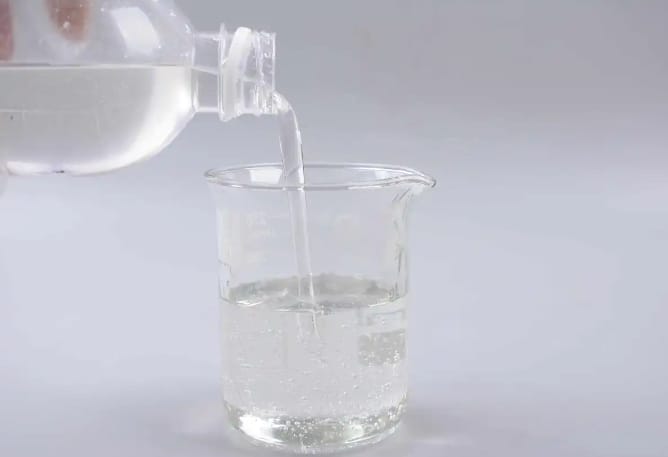
Technically, biocides are categorized into two main types: oxidizing (e.g., sodium hypochlorite, ozone) and non-oxidizing (e.g., isothiazolinones, quaternary ammonium salts). Oxidizing biocides act rapidly and have a broad spectrum of activity but are susceptible to interference from organic matter and possess relatively poor stability. In contrast, non-oxidizing biocides offer advantages such as long-lasting effects, high selectivity, and good environmental adaptability, making them suitable for systems like circulating water, coatings, and adhesives. Modern biocide development prioritizes low toxicity, low residue, and biodegradability to minimize environmental impact.
In industrial water treatment, biocides are used to control microbial proliferation in cooling towers, boilers, and reverse osmosis systems, preventing equipment corrosion and efficiency loss caused by biofilm formation. In the coatings and construction materials sectors, the addition of biocides prevents mold growth and odor, thereby extending product service life. Additionally, biocides are employed in textile and leather processing to prevent microbial degradation and ensure product quality.
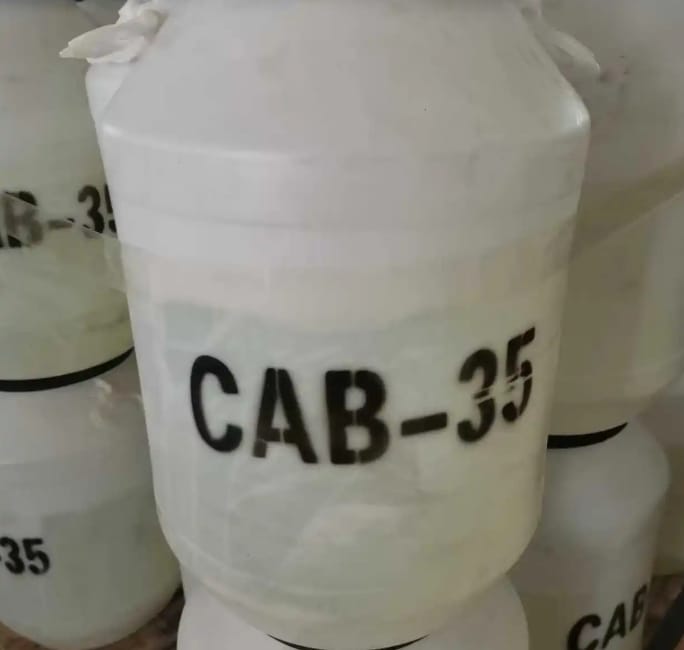
As environmental regulations become increasingly stringent, the use of traditional, highly toxic biocides is being restricted, driving the industry toward a greener future. Research and development are currently focused on bio-based biocides, sustained-release formulations, and synergistic combination technologies. For instance, combining natural plant extracts with synthetic biocides can enhance overall performance while reducing dosage requirements. Meanwhile, the application of intelligent dosing systems and online microbial monitoring technologies has improved the efficiency and precision of biocide usage.
Future developments in biocides will place greater emphasis on environmental friendliness and functional integration. By optimizing antimicrobial activity and selectivity through molecular design, and enhancing dispersion and permeability via nanotechnology, it is possible to develop more efficient and safer biocide solutions. Driven by the demands of public health, food safety, and sustainable development, the bactericide industry will continue to evolve towards greater precision and environmental sustainability.