Many people face the same dilemma when tending to their vegetable gardens in winter. Weeds grow quickly and become an eyesore; while you might want to use herbicides, you worry they won’t work—or worse, that they’ll damage your vegetables.
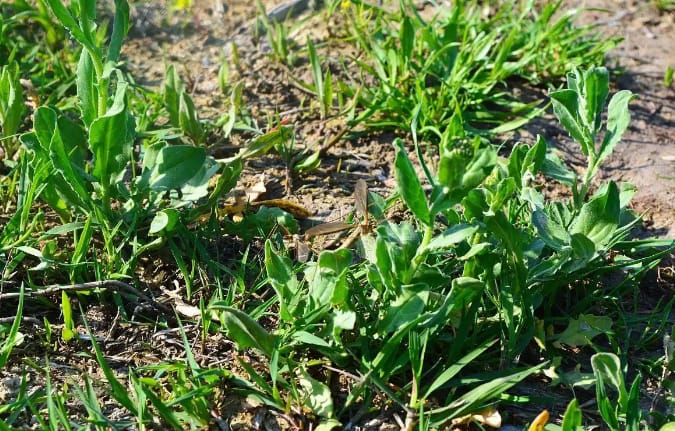
Here is the short answer: You can use herbicides in winter, but the process is vastly different from a casual summer spray; the conditions required are very strict. Used correctly, the results are excellent; used incorrectly, you might fail to kill the weeds while harming your seedlings.
Temperature is the primary factor.
When using herbicides in winter, temperature isn’t just a guideline—it is a prerequisite.
You must meet three conditions simultaneously: First, the daytime temperature during application should be consistently above 10°C. Second, the average daily temperature for the days surrounding the application should ideally be above 6°C. Third—and this is the most easily overlooked point—there must be no sharp drop in temperature or frost for at least three days after application.
Why is this so critical? Herbicides are chemical agents; weeds require active metabolism to absorb and translocate the chemical in order for it to take effect and kill them. In low temperatures, weed growth virtually stalls and absorption slows drastically, significantly reducing efficacy. Even more dangerous, low temperatures make your vegetable seedlings highly vulnerable, exponentially increasing the risk of chemical damage.
The best time to act is during the transition from cold to warm weather—specifically, the midday hours following a cold snap, when the weather is warming up and the forecast predicts continued clear, mild conditions for the coming days.
Timing is more crucial than you might think.
Choosing the right weather is only the first step; you also need to consider the growth stage of both your vegetables and the weeds.
Your vegetables—such as overwintering bok choy, spinach, or wheat seedlings—should ideally have developed 3 to 5 true leaves. At this stage, the root systems are established and the plants have greater resilience, making the process relatively safe.
As for the weeds, wait until most have emerged and are in the tender seedling stage (with 2 to 4 leaves). At this point, the weeds are small, have low resistance, and are most susceptible to the herbicide. Don’t rush to spray the moment you see a few weeds; wait for more of them to emerge so you can tackle them all at once—it’s much more efficient.
For most regions, there are two key windows of opportunity to consider. There are two key windows: early winter (roughly late November to early December), before the soil freezes completely; and the transition from late winter to early spring (roughly late February to early March), when temperatures begin to rise steadily but weeds have not yet matured.
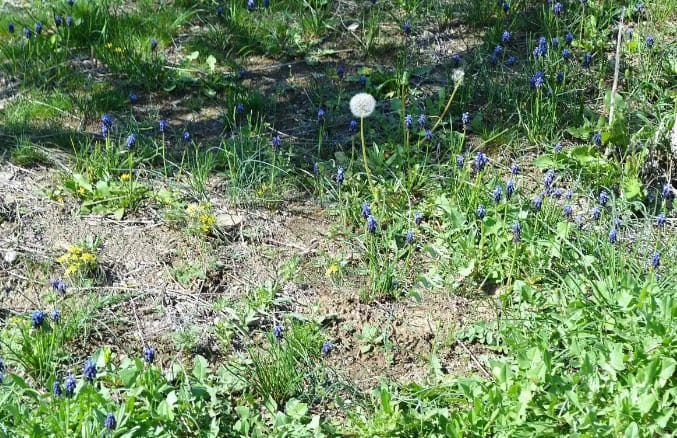
Choosing the Right Herbicide Matters
Not all herbicides are suitable for low-temperature environments. Some products that work well in summer may be ineffective or prone to causing crop damage in winter.
Pay attention to the temperature specifications on the product label. Certain active ingredients are relatively effective at lower temperatures.
For example, to target common grass weeds, look for products containing ingredients like *clodinafop-propargyl* or *pinoxaden*, which are effective at lower temperatures. For broadleaf weeds, ingredients such as florasulam and fluroxypyr retain good activity in cold weather.
A crucial warning: do not mix multiple herbicides on your own. In cold weather, the metabolic rates of both vegetables and weeds slow down significantly; haphazard mixing can easily lead to unpredictable crop damage. When purchasing, choose products from reputable manufacturers that are specifically labeled for use in low-temperature conditions.
Operational Details Determine Success or Failure
Even with the right temperature and herbicide, a minor oversight during application can ruin the results.
First, always use the “two-step dilution method” when preparing the mixture. Mix the herbicide powder or liquid into a concentrated “mother solution” in a small container first, then pour it into a sprayer that is half-filled with clean water, and finally add the remaining water. This ensures the herbicide is evenly distributed, preventing areas of excessively high concentration.
Second, spray slowly, evenly, and thoroughly. Aim to cover both the upper and lower surfaces of the leaves and treat weeds of all sizes. Since weed metabolism and liquid evaporation are slower in winter, even spraying ensures proper absorption.
Third, exercise patience. Do not expect weeds to turn yellow just two or three days after application. The herbicidal effect is much slower in winter; it may take 10 to 15 days—or even longer—to see visible results. As long as conditions are right and the application was thorough, simply wait. Avoid the urge to re-spray out of impatience, as this can easily cause crop damage.
Fourth, monitor the condition of the vegetables before and after spraying. With the right technique, vegetables might experience brief, slight leaf yellowing or slowed growth; this is a normal “hardening-off” response, and they will recover once the weather warms up. However, if you observe severe leaf curling, deformity, or extensive drying out, it could be a sign of chemical injury.
Finally, safety always comes first. Wear gloves, a mask, and long-sleeved clothing and trousers when applying herbicides. Choose a calm or lightly breezy day, keep the sprayer nozzle low to prevent mist from drifting to unintended areas, and thoroughly clean the sprayer after use.
If you plan to use herbicides in your vegetable garden during winter, remember one key principle: success depends heavily on the weather.
First, check the forecast: ensure the coming days will be sunny, warm, and free of frost. Next, assess the plants: are the seedlings robust? Have the weeds fully emerged and are they still young and tender? Finally, select a herbicide suitable for low temperatures and apply it with precision.
If the weather remains unstable or your seedlings are weak, the safest approach is to postpone weeding until next spring, once temperatures have truly stabilized. In garden management, doing nothing is sometimes better than doing the wrong thing.
I hope this specific information helps you manage your winter vegetable garden with greater confidence. After all, a clear strategy is far more important than acting blindly.